Polio Vaccine (IPV): Doses and Travel
IPV is the only polio vaccine used in the U.S. since 2000. How the childhood series is built, how OPV records read, and when travel reopens the question.
Published · Updated
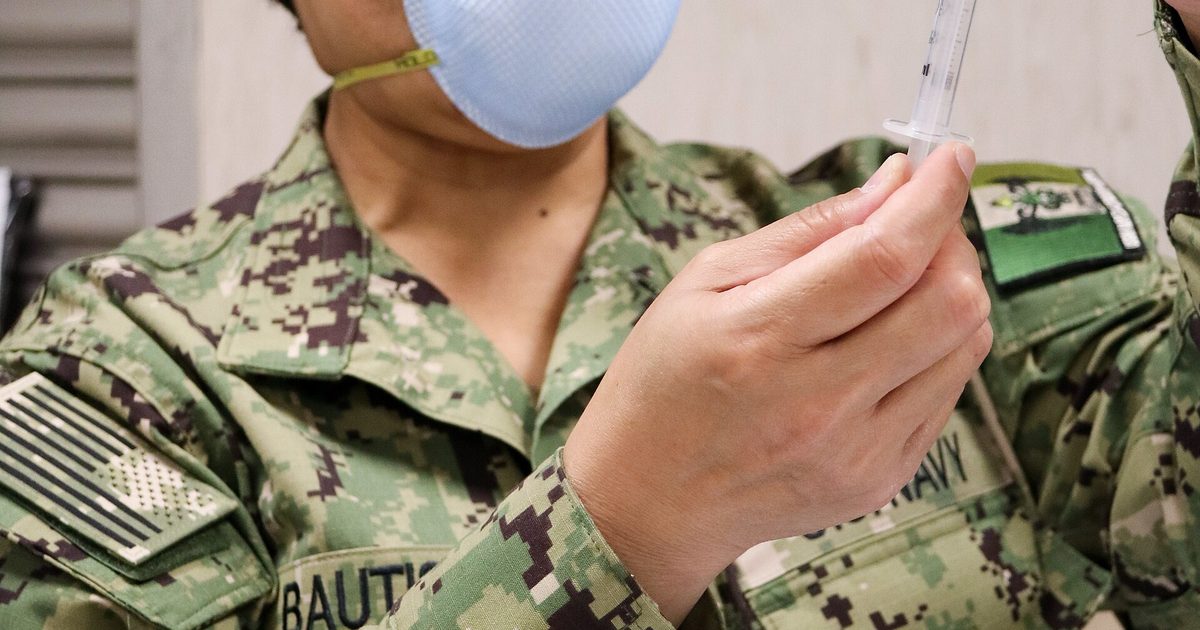
The IPV polio vaccine schedule for children in the United States is four doses: one at 2 months, one at 4 months, one between 6 and 18 months, and one at 4 through 6 years. The CDC also states that inactivated polio vaccine "is the only polio vaccine that has been given in the United States since 2000." Those two sentences answer most of what families come looking for, and they explain why a toddler's after-visit paperwork still lists IPV for a disease nobody in the waiting room has seen.
The rest is record-keeping: what to do when a dose is late, what an oral polio vaccine record from another country means, and when a plane ticket puts polio back on the list.
How many polio vaccine doses does a U.S. child need?
Four, at the ages the CDC polio vaccination page posts, reviewed 9 July 2024.
| Dose | Age the CDC posts |
|---|---|
| 1st IPV | 2 months |
| 2nd IPV | 4 months |
| 3rd IPV | 6 through 18 months |
| 4th IPV | 4 through 6 years |
The point of a series is its last dose. A toddler with two infant IPV dates is not finished, and a kindergartner whose preschool dose never happened meets that gap on a school form rather than at the pediatrician. The CDC child and adolescent immunization schedule, posted with an addendum dated 2 July 2025, shows where the four doses sit next to everything else due at those ages.
A missed dose is common and rarely means starting over. How catch-up works is a separate document, written for clinicians, that maps existing dates onto minimum intervals. Bring every scrap you have — cards, portal printouts, a record from another country — and let the clinic do that mapping.
What is the difference between IPV and OPV?
IPV is an injection made with inactivated virus. OPV is oral polio vaccine, given as drops in the mouth. The CDC states that OPV is "no longer licensed or available in the United States" but "is still used in many parts of the world."
That difference matters for one reason: paperwork. A family that moved to the United States, or an older relative vaccinated abroad, may hold a record showing OPV drops rather than IPV shots. It is a real vaccination record and it belongs in front of a clinician, not filed away on the assumption that polio is polio.
How do you read a polio record from another country?
Copy it as written, in the language it is written in, and take it to the appointment. Three things are worth locating before you go:
- Whether the entries say OPV, drops, or an abbreviation in another language, versus IPV or an injection.
- How many entries there are, and their dates.
- Whether polio appears on its own or inside a combination line.
Do not translate OPV into IPV to make the U.S. form look tidy, and do not count entries yourself into a total. The number of valid doses is a judgment the clinic makes against the U.S. IPV polio vaccine schedule, and it can differ from the count on the page.
When does travel put polio back on the list?
When the destination and the itinerary say so, which is a per-country question rather than a general one. The CDC states that people traveling "to a country where the risk of getting polio is greater should be vaccinated against polio well before leaving for their trip," and that where the routine series cannot be finished first, "a polio accelerated schedule is recommended." For grown-ups already fully vaccinated but at increased risk of exposure, the CDC describes one lifetime booster dose of IPV.
The starting point is the country page, not a packing list. The CDC keeps its destination list for travelers as the index, and a weekend in a European city and a three-month stay elsewhere are not the same trip even when the passport is. Our overview of what U.S. families check before a trip sorts routine from destination-specific; polio usually sits on the routine side, until a destination moves it.
Entry rules and health recommendations are different questions, and a border that asks for nothing has not answered the medical one.
What should the record say if IPV was inside a combination shot?
The full product name, exactly as printed. Several routine childhood products carry IPV inside them, and a line that names only DTaP does not document polio. The CDC's page on the types of whooping cough vaccines, updated 2 December 2025, names the DTaP brands that carry polio inside them:
| Product | What it contains |
|---|---|
| Pediarix | DTaP, hepatitis B, IPV |
| Pentacel | DTaP, IPV, Hib |
| Kinrix and Quadracel | DTaP, IPV |
| Vaxelis | DTaP, IPV, Hib, hepatitis B |
Copying "DTaP" from a Pentacel line is how a completed polio series disappears from a family's own paperwork. Why combination shots complicate the record more than the arm covers that translation problem in full.
After each visit, keep the product name as printed, the date, and which child it belongs to, plus a note where a clinician said the series was complete or still open. If an older child was vaccinated abroad with OPV, keep that alongside the U.S. dates; a new pediatrician in a new state will not know unless someone tells them. Vaxnext holds one folder per family member on the phone, with no account, and shows CDC Travelers' Health recommendations for about 200 destinations without a signal. It is free and carries ads, and the vaccine dates stay on the device rather than reaching an ad network.
This article covers routine childhood IPV in the United States and the travel question in outline. It does not decide whether any particular traveler needs a booster, and it does not cover vaccination requirements written by other countries.
Not medical advice. This article is general information drawn from named public U.S. sources. It does not replace a clinician. Schedules change; confirm the current official page and your own situation before you act.
FAQ
Do adults need a polio booster?
Most grown-ups vaccinated as children in the United States are not routinely revaccinated. The CDC describes one lifetime booster dose of IPV for people who are fully vaccinated but at increased risk of exposure to poliovirus, which includes some travelers and some occupational settings. Whether that applies to you is a question for a clinician who can see your record, not a rule to apply from a destination page.
Does a DTaP line mean polio was given?
Not on its own. DTaP covers diphtheria, tetanus and pertussis. Polio is only included when the product itself contains IPV, as Pediarix, Pentacel, Kinrix, Quadracel and Vaxelis do. If the record shows one of those names, polio was given; if it shows DTaP alone, the polio line still needs its own date from the clinic.
Is polio still a risk if it was eliminated in the U.S.?
The CDC still posts a routine four-dose childhood series and destination-specific advice for travelers, and it states that oral polio vaccine remains in use in many parts of the world. Those two facts are the practical answer: the domestic picture rests on continued vaccination, and the travel picture depends on where a family is going.