MMR Vaccine: When, How Many Doses
CDC gives MMR at 12-15 months and 4-6 years. Two doses are 97% effective against measles. What MMRV means, and when travel changes the timing.
Published · Updated
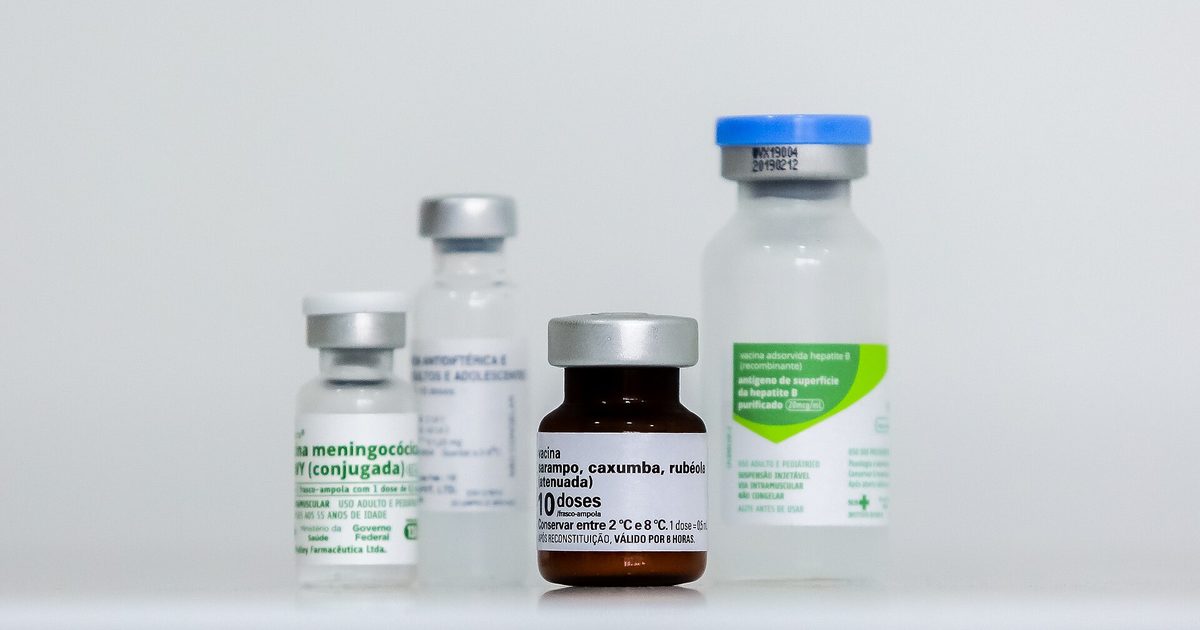
The routine MMR vaccine schedule in the United States is two doses: the first at 12 through 15 months of age, the second at 4 through 6 years. Two doses are 97% effective against measles and one dose is 93% effective, according to the CDC measles vaccination page as reviewed on 29 April 2026. Those are the numbers a school nurse is checking against, and they are the reason the second date matters as much as the first.
Most parents go looking for the letters MMR for a practical reason: a kindergarten packet, a plane ticket, or a headline. The fridge folder with the pediatric printouts is the right place to start. The honest result is often one date found and one blank.
When is the MMR vaccine given, and how many doses?
Two doses, at the ages below. The CDC posts them for all children, and the same two ages appear on the MMR Vaccine Information Statement, current edition 31 January 2025.
| Dose | Age CDC posts | Where it usually lands |
|---|---|---|
| 1st MMR | 12 through 15 months | the 12-month well-child visit |
| 2nd MMR | 4 through 6 years | the visit before kindergarten |
| Extra infant dose for travel | 6 through 11 months | before an international trip; it does not count toward the two |
The second dose is not a repair for protection that wore off. The CDC describes it as covering the children whose immune systems did not respond to the first one.
Two schedules are in circulation in 2026, and this article does not rank them. The CDC child and adolescent immunization schedule was still posted as the 2025 edition, addendum dated 2 July 2025, when this page was checked on 3 September 2026. The American Academy of Pediatrics released its own Recommended Childhood and Adolescent Immunization Schedule, United States, 2026 on 26 January 2026, described on HealthyChildren.org. Which one your clinic follows is a question for your clinic.
How effective is the MMR vaccine?
The CDC publishes per-dose figures rather than a single headline number. One dose of MMR is 93% effective against measles, 72% against mumps and 97% against rubella. Two doses are 97% effective against measles and 86% against mumps. The CDC also states that most people vaccinated with MMR or MMRV are protected for life against measles and rubella, while immunity against mumps may decrease over time.
Coverage is the other half of the picture, and it is measurable. As of 27 August 2026, the CDC had recorded 2,903 confirmed measles cases in the United States for 2026, compared with 2,289 confirmed cases in all of 2025 (CDC measles cases and outbreaks). For the 2025–2026 school year, CDC SchoolVaxView put MMR coverage among kindergartners at 92.4%, down from the year before, with roughly 280,000 kindergartners attending school without documentation of a completed MMR series and exemptions from one or more vaccines at 4.2%.
What is the difference between MMR and MMRV?
MMR covers measles, mumps and rubella. MMRV covers those three plus varicella, the chickenpox virus, in a single injection. If the after-visit summary says MMRV, that is not a typo and not an error to correct at home.
Three practical differences:
- MMRV is licensed only for children aged 12 months through 12 years. MMR has no upper age limit.
- The CDC recommends that separate MMR and varicella vaccines be given for the first dose in children aged 12 through 47 months, because a first MMRV dose at 12 through 23 months carries a small increase in the chance of a febrile seizure.
- A school form may ask for measles, mumps, rubella and chickenpox on four separate lines even when one MMRV shot covered all four. That is a paperwork translation, not four more needles.
If your child received MMRV, the varicella column on the form is already answered. How the chickenpox doses are counted is where that side of the record lives.
How does international travel change MMR timing?
The CDC states that anyone traveling internationally should be fully vaccinated before departure, and that infants aged 6 through 11 months should get one dose of MMR before travel, followed by two more doses after the first birthday. That early dose is an addition to the MMR vaccine schedule, not a substitute: it does not reduce the two-dose count.
Whether it applies to your family depends on the destination, the child's exact age in months and the departure date. This article will not decide that. Say the child's age in months out loud at the appointment rather than rounding, take the itinerary to a pediatrician or a travel clinic before you treat the first-birthday visit as immovable, and start from the destination page rather than a packing list. Our overview of vaccines U.S. families look at before a trip sorts routine from destination-specific.
What belongs on the record after an MMR visit?
Three things, copied from the clinic's paper rather than from memory:
- The letters exactly as written, MMR or MMRV.
- The date.
- Which child, if more than one folder shares the drawer.
If you can only find one date, write one date and a question mark. Do not write a second date from memory. A blank a nurse can question is worth more than a number nobody can source, and it is the difference between a form that clears in August and a packet that comes back. Kindergarten entry rules are set state by state, so the two dates are the part you control.
A dated line on paper works. So does a private list on the phone that leaves the house with you — Vaxnext keeps one per family member on the device, with no account, which is useful precisely when the clinic portal will not load at a gate.
This article covers routine childhood MMR in the United States. It does not cover catch-up for adults, third doses during mumps outbreaks, or what to do in the days after a known measles exposure.
Not medical advice. This article is general information drawn from named public U.S. sources. It does not replace a clinician. Schedules change; confirm the current official page and your own situation before you act.
FAQ
Is one dose of MMR enough for school?
Usually not. State entry rules are written by each state, and most ask for both doses on the MMR vaccine schedule the CDC posts, at 12 through 15 months and 4 through 6 years. One dose is 93% effective against measles rather than 97%. Check your state health department and the school nurse, since neither the CDC nor a blog sets the entry requirement.
Can a baby under 12 months get MMR before a trip?
The CDC states that infants aged 6 through 11 months traveling internationally should get one dose of MMR before travel, then two more doses after the first birthday. Whether that applies to your baby depends on the destination and the departure date, and it is a decision for the pediatrician or travel clinic who can see the child's exact age in months.
Where do I find the MMR Vaccine Information Statement?
The CDC hosts it at Vaccine Information Statements, MMR; the current edition is dated 31 January 2025. Federal law requires the provider to give you a Vaccine Information Statement before the shot. It lists the two routine ages, the travel dose for infants, the reactions to expect and who should not receive MMR.