Kenya With Children: Safari Plans and the Pre-Trip Check
A Kenya safari needs more lead time than most family trips. What the CDC page lists for Kenya, and why entry rules come from the destination, not from CDC.
Published
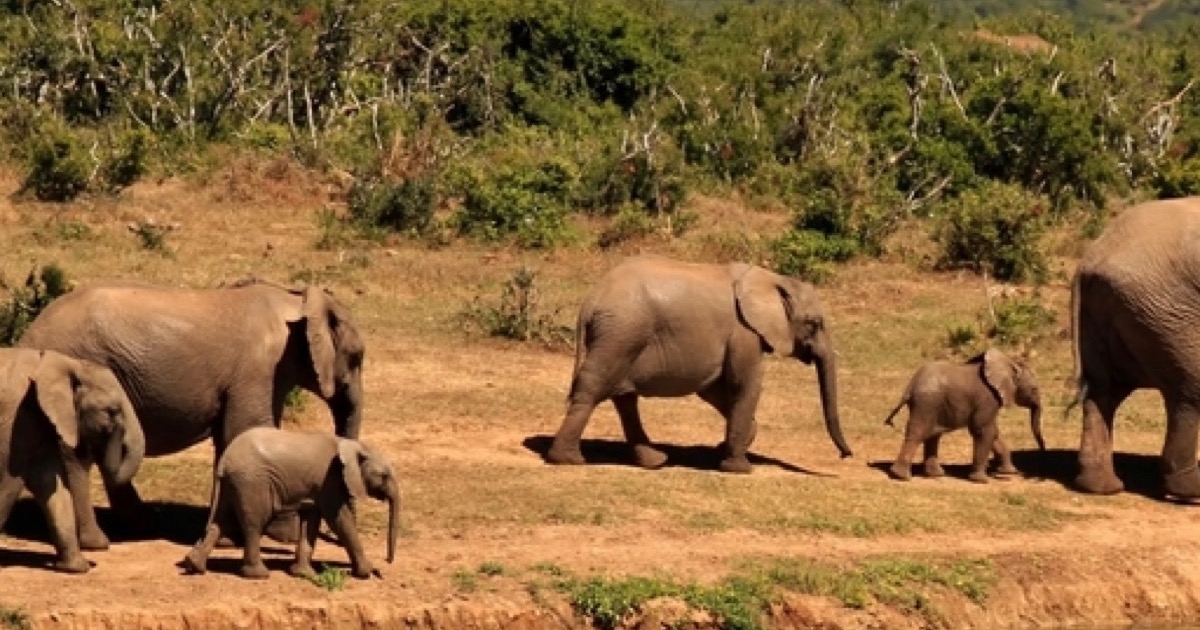
Kenya travel vaccines are a calendar problem before they are a medical one. CDC's Kenya destination page tells travelers to visit a doctor "at least a month before your trip" and names measles protection "at least two weeks prior to departure." A safari booked 11 months out and prepared 11 days out has skipped the step that cannot be compressed.
Key takeaways
- CDC's Kenya page tells travelers to see a doctor at least a month before the trip and names measles protection at least two weeks before departure.
- Read on September 5, 2026, the page listed typhoid as "recommended for most travelers," hepatitis A for unvaccinated travelers one year old or older, and meningococcal vaccine for travelers 2 months and older going to meningitis-belt areas in the dry season, roughly December to June.
- Malaria prevention covers "all areas (including game parks)" below 2,500 m and is prescription medicine, not a vaccine.
- Yellow fever entry rules come from Kenya, not CDC: not required for direct travel from the United States, required for travelers 1 year and older arriving from countries with yellow fever risk.
- Gather every traveler's record three to four months out, adults and grandparents included; the clinical visit itself should be no later than a month before departure.
The full instruction on the page is to "check the vaccines and medicines list and visit your doctor at least a month before your trip to get vaccines or medicines you may need," and the measles line says a traveler is at risk if not fully vaccinated two weeks before leaving.
The rest of the trip is more forgiving than the appointment. This article describes what the official Kenya page listed when it was read on September 5, 2026, and where the entry paperwork actually comes from. It does not say which vaccines or medicines any traveler needs, and it does not cover doses, brands or timing of prescriptions.
How far ahead should a family book the pre-trip appointment?
At least a month, per the instruction printed at the top of CDC's Kenya traveler page — and earlier than that when a household has several people, several records to find, and a school calendar in the way. Two things drive the runway: some products are given in more than one dose weeks apart, and a family of five needs one appointment slot that fits five schedules.
The practical order, described at greater length in how far ahead to book travel vaccines:
- At booking. Read the destination page and write down the date you read it.
- Three to four months out. Assemble every traveler's record, adults included, and find the gaps.
- At least a month out. The appointment, with the itinerary in hand.
- Two weeks out. The point CDC names for measles protection before departure.
- Departure week. Re-read the page for travel health notices, which change without warning.
What did the CDC page list for Kenya?
Read on September 5, 2026, the Kenya page organized its Vaccines and Medicines section as follows. Every row is a prompt for a clinician, not a checklist to buy from.
| Entry on the page | What it said |
|---|---|
| Measles (MMR) | All international travelers should be fully vaccinated against measles, including an early dose for infants 6–11 months |
| Hepatitis A | "Recommended for unvaccinated travelers one year old or older going to Kenya" |
| Typhoid | "Recommended for most travelers" |
| Meningococcal disease | "Recommended for travelers 2 months old or older traveling to areas of Kenya that are part of the meningitis belt during the dry season (roughly December to June)" |
| Yellow fever | Recommended for travelers 9 months and older, with named exceptions including Nairobi and most of the former Coast Province |
| Malaria | Prescription medicine, not a vaccine, for "all areas (including game parks)" below 2,500 m |
| Rabies | A pre-exposure conversation; the page tells travelers to "consult with a healthcare provider" |
Two of those rows are seasonal or geographic rather than universal. The meningitis-belt line depends on both where in Kenya you go and when, and the malaria line covers the game parks that are usually the point of the trip. Neither is decided by reading a table.
Where do Kenya's entry requirements come from?
From the government of Kenya, not from CDC. The distinction matters because the two lines on the page can disagree: CDC can recommend a vaccine that no border officer will ask about, and a country can require proof of a vaccine that CDC does not recommend for your particular route.
The yellow fever entry line on the Kenya page, which carried the note "Updated April 23, 2025," made the split explicit. For direct travel from the United States it said "Vaccine is not required." For travel from countries with risk for yellow fever virus transmission it said "Vaccine is required for travelers ≥1 year old." A family flying Nairobi via a third country is therefore reading a different sentence than a family flying nonstop, which is why the routing belongs in the appointment. The mechanics of that rule — who sets it, what document satisfies it, why a layover can change it — are the subject of our article on yellow fever entry rules.
Treat any list of Kenya travel vaccines found on a forum or a tour operator's brochure as a starting point for questions, never as the requirement itself. The requirement lives on official pages, and it can change between booking and boarding.
What does a safari itinerary actually change?
The park, the month and the sleeping arrangements. CDC's malaria section for Kenya names "all areas (including game parks)" below 2,500 m as transmission areas, with rare cases in the highly urbanized central part of Nairobi, and lists chloroquine resistance for the country. That is prevention by prescription medicine and bite avoidance, not by a vaccine, and only a clinician can match a medicine to a traveler.
Animals are the other safari-specific line, and the page handles rabies carefully: dogs infected with rabies "are commonly found in Kenya," rabies vaccines may only be available in larger suburban or urban medical facilities, and pre-exposure vaccination depends on the traveler's activities and access to care. Bring that as a question — what do our plans mean for animal exposure, and where is the nearest facility — rather than as a decision made at home.
Adults on the trip count as travelers. Grandparents joining a family safari and parents who cannot find their own records are part of the same appointment, a point that applies across the continent and is covered in our overview of Africa travel vaccines for families. A household record such as the offline one Vaxnext keeps can hold each family member's dates and dose counts and lists CDC's per-destination recommendations for about 200 destinations, but it does not assess whether anyone is covered for Kenya. That reading belongs to the clinician.
FAQ
How far ahead should a safari trip be planned?
CDC's Kenya page tells travelers to visit a doctor "at least a month before your trip." For a family, start earlier: records take time to locate, some products are given in more than one dose weeks apart, and a single appointment has to fit several people. Three to four months before departure is a reasonable moment to gather records, with the clinical visit no later than a month out.
Where do entry requirements come from?
From the destination government. CDC reports what a country requires but does not set it, and the Kenya page distinguished direct travel from the United States, where yellow fever vaccine "is not required," from travel arriving from countries with yellow fever risk, where it "is required for travelers ≥1 year old." Confirm the current rule for your exact routing on official sources before departure.
Not medical advice. This article is general information based on public U.S. CDC pages, read on September 5, 2026. It does not replace a clinician. Schedules and country entry rules change — confirm the current official page and your own situation before you act.